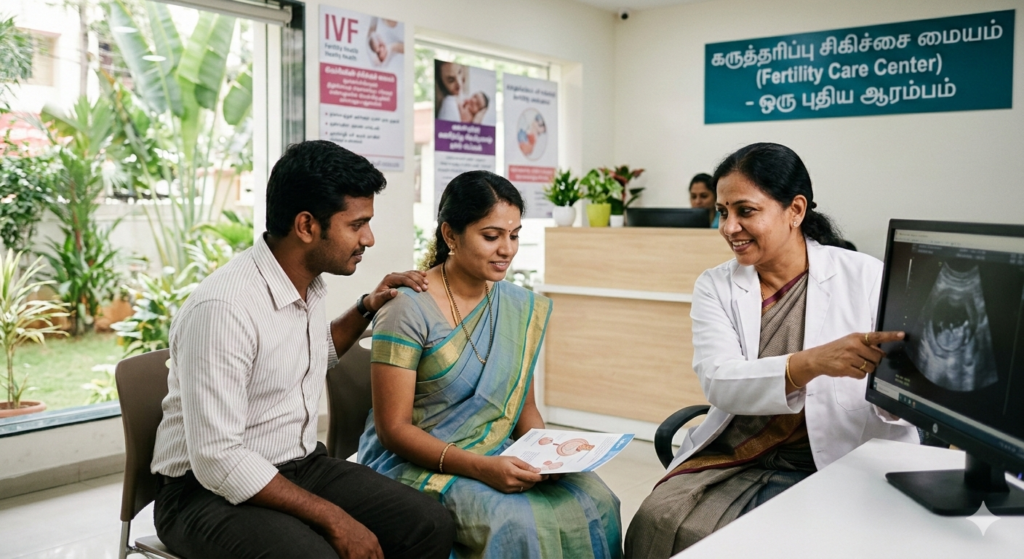
Comprehensive prenatal care ensures the health of both mother and baby, including regular check-ups, screenings, and nutritional guidance throughout pregnancy.
Obstetrics
Pregnancy Care
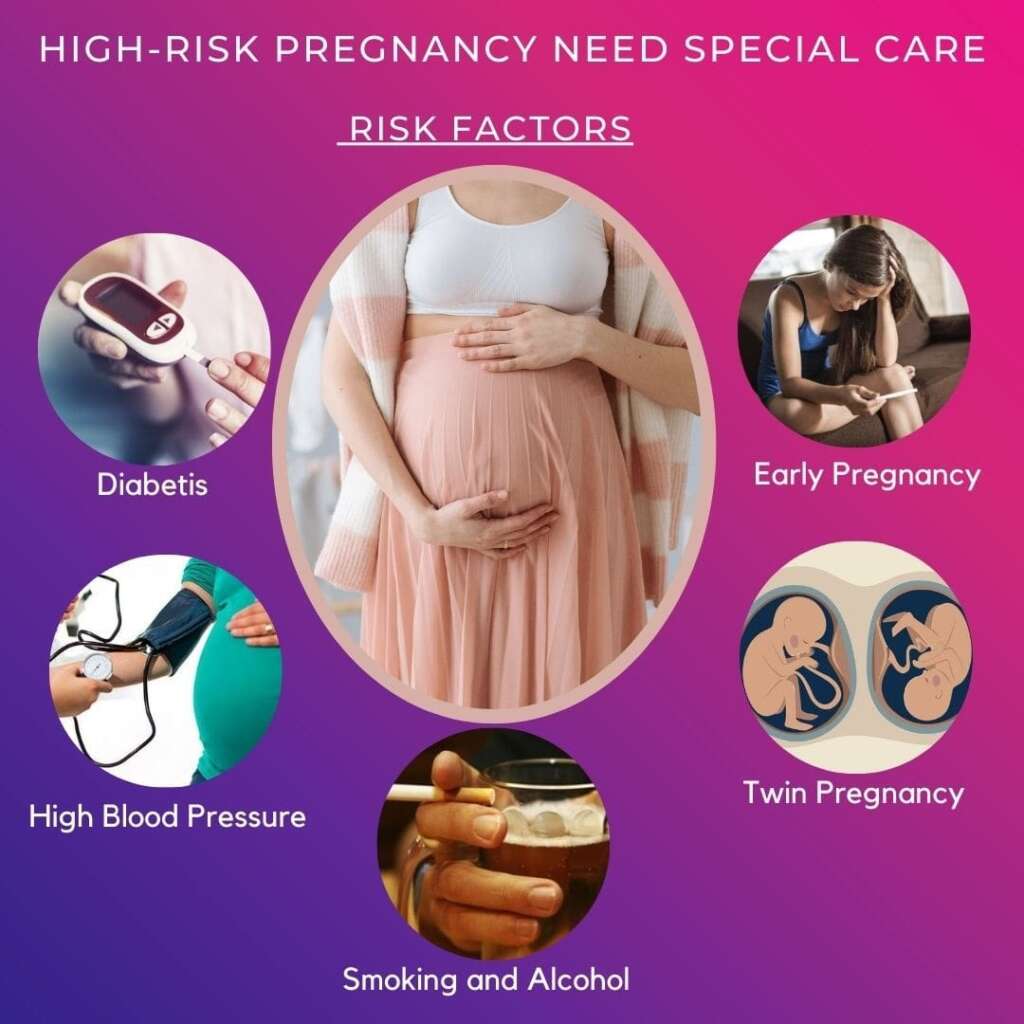
High-Risk Pregnancy
High-risk pregnancies involve potential complications that require closer monitoring, specialized care, and personalized treatment plans to ensure maternal and fetal well-being.
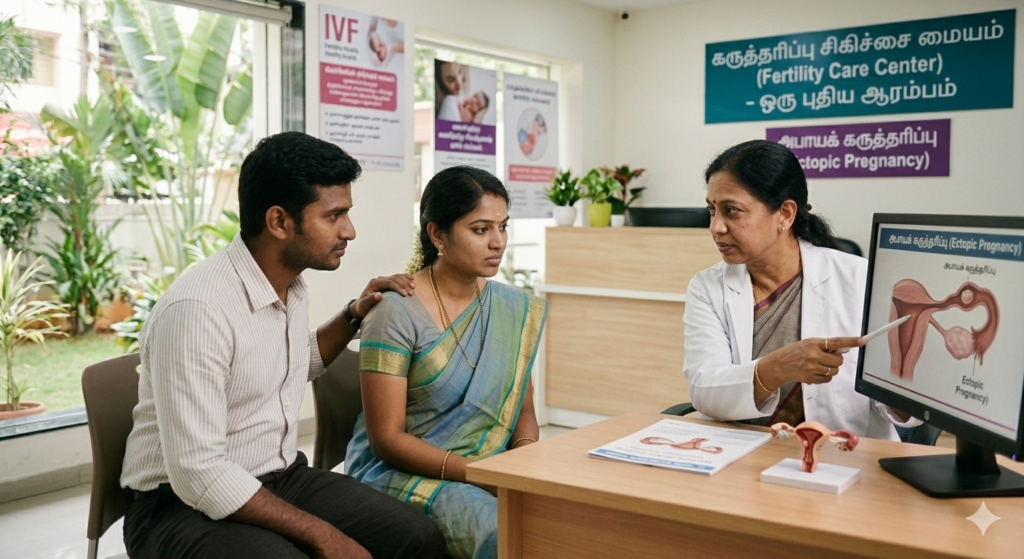
Ectopic Pregnancy
An ectopic pregnancy occurs when a fertilized egg implants outside the uterus, often in a fallopian tube, requiring prompt medical intervention to prevent severe complications.

FAQ
1. What complete pregnancy care services do you offer from first trimester to delivery?
Pregnancy care is managed as a complete journey—from confirmation to safe delivery. This includes early scans, routine checkups, blood tests, fetal growth monitoring, nutrition guidance, and personalized birth planning. Each stage is carefully tracked to ensure both mother and baby stay healthy, with timely support and clear guidance to make every step smooth and stress-free.
2. How soon should I consult a doctor after a positive pregnancy test?
It’s best to consult a doctor within the first 6–8 weeks after a positive pregnancy test. Early consultation helps confirm the pregnancy, estimate the due date, and identify any potential risks at the beginning. Starting care early ensures proper monitoring, timely supplements, and the right guidance for a healthy pregnancy from the very start.
3. Do you provide advanced care for high-risk pregnancies like diabetes, BP, or previous complications?
Yes, high-risk pregnancies are managed with close monitoring and specialized care plans. Conditions like gestational diabetes, high blood pressure, thyroid issues, or previous complications are carefully evaluated and tracked through regular checkups and advanced diagnostics. The focus is on early detection, controlled management, and timely intervention to ensure the safest possible outcome for both mother and baby.
4. How do doctors decide between normal delivery and C-section during pregnancy?
The decision is based on the health of both mother and baby, along with how the pregnancy progresses. Factors like the baby’s position, mother’s health, labor progression, and any complications are considered. Normal delivery is encouraged whenever it is safe, but a C-section is recommended when needed to ensure a safe and smooth delivery outcome.
5. What post-delivery care and recovery support do you provide for mothers and newborns?
The decision is based on the health of both mother and baby, along with how the pregnancy progresses. Factors like the baby’s position, mother’s health, labor progression, and any complications are considered. Normal delivery is encouraged whenever it is safe, but a C-section is recommended when needed to ensure a safe and smooth delivery outcome.