Gynecology
Laparoscopy
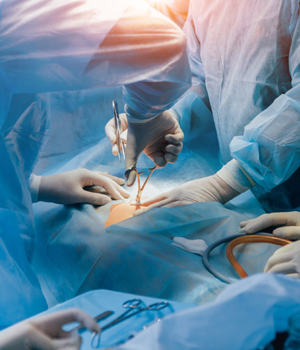
A minimally invasive surgical procedure used for diagnosis and treatment of various gynecological conditions, involving small incisions and a camera for better precision.
PCOD/PCOS
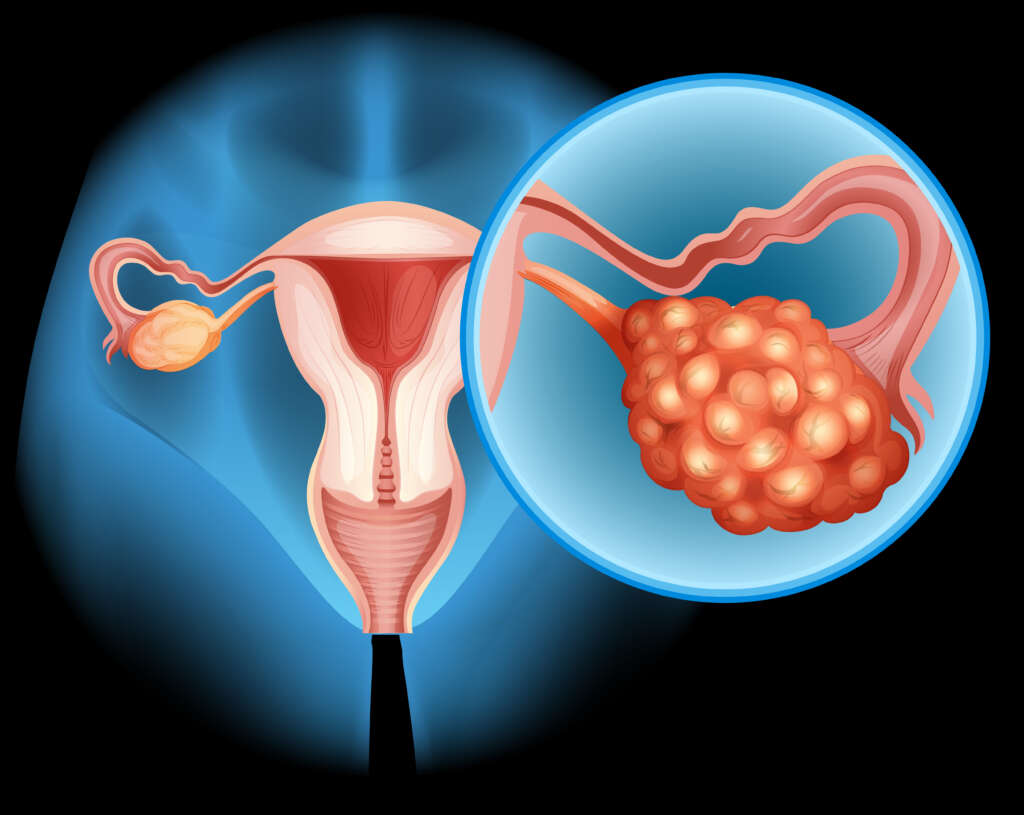
Polycystic Ovary Disease/Syndrome is a hormonal disorder that affects ovulation, leading to irregular periods, cysts on ovaries, and potential fertility challenges.
Myoma
Uterine fibroids are non-cancerous growths in the uterus that can cause symptoms like heavy bleeding, pain, and fertility issues, often requiring treatment or surgery.
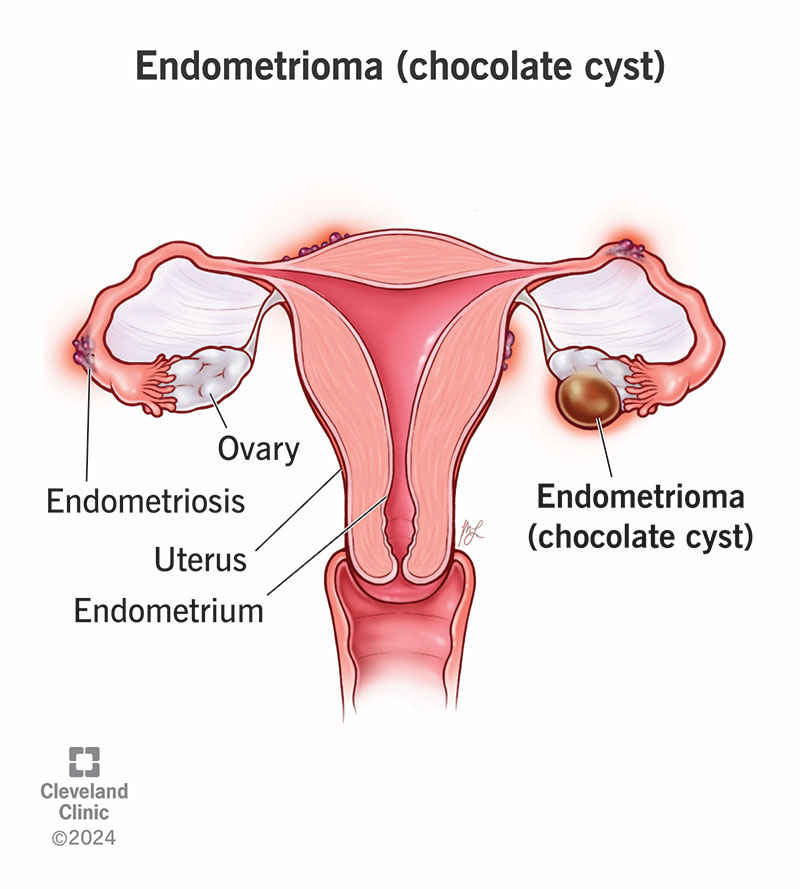
Chocolate Cyst
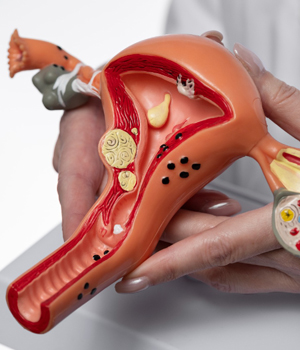
Endometriomas, also known as chocolate cysts, are ovarian cysts filled with old blood, caused by endometriosis, leading to pelvic pain and potential fertility concerns.
Salpingectomy
A surgical procedure that involves the removal of one or both fallopian tubes, often performed due to infection, ectopic pregnancy, or other reproductive health issues.
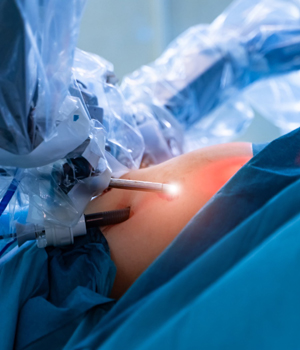
TAH / TLH / LAVH
Advanced Hysterectomy Procedures
TAH – Total Abdominal Hysterectomy
TLH – Total Laparoscopic Hysterectomy
LAVH – Laparoscopically Assisted Vaginal Hysterectomy
We offer personalized surgical care with modern techniques ensuring faster recovery and
safety

FAQ
You should consult a gynecologist as soon as you notice changes like irregular periods, severe cramps, pelvic pain, unusual discharge, or symptoms of hormonal imbalance such as acne or weight changes. Early consultation helps identify the root cause quickly and prevents complications. Timely care ensures better treatment outcomes and helps maintain long-term reproductive health.
A wide range of women’s health conditions are diagnosed and treated, including irregular periods, PCOS/PCOD, uterine fibroids, ovarian cysts, infections, pelvic pain, and menopause-related issues. Each condition is carefully evaluated using advanced diagnostics, followed by personalized treatment plans to ensure effective relief and long-term health.
Irregular cycles, missed periods, or heavy bleeding that disrupts daily life should not be ignored. If you experience frequent delays, excessive flow, clots, or severe pain, it may indicate underlying conditions like hormonal imbalance, PCOS, or uterine issues. Early diagnosis helps manage the condition effectively and prevents future complications, including fertility problems.
Yes, preventive screenings are an essential part of women’s healthcare. Tests such as Pap smears, pelvic exams, breast screenings, and infection checks help detect early signs of cervical cancer, breast abnormalities, and other health issues. Regular screening ensures early diagnosis, making treatment more effective and improving long-term outcomes.
The right treatment depends on the underlying cause affecting fertility. Options may include lifestyle changes, ovulation induction, hormonal therapy, or advanced procedures like IUI and IVF. A detailed evaluation helps identify the issue and create a personalized treatment plan, significantly improving the chances of conception while ensuring safe and guided care.